Kibo Sushi

A speculative design exploration and cold pitch presentation created to reimagine the digital experience of a growing Japanese food brand through thoughtful UI and storytelling.

00
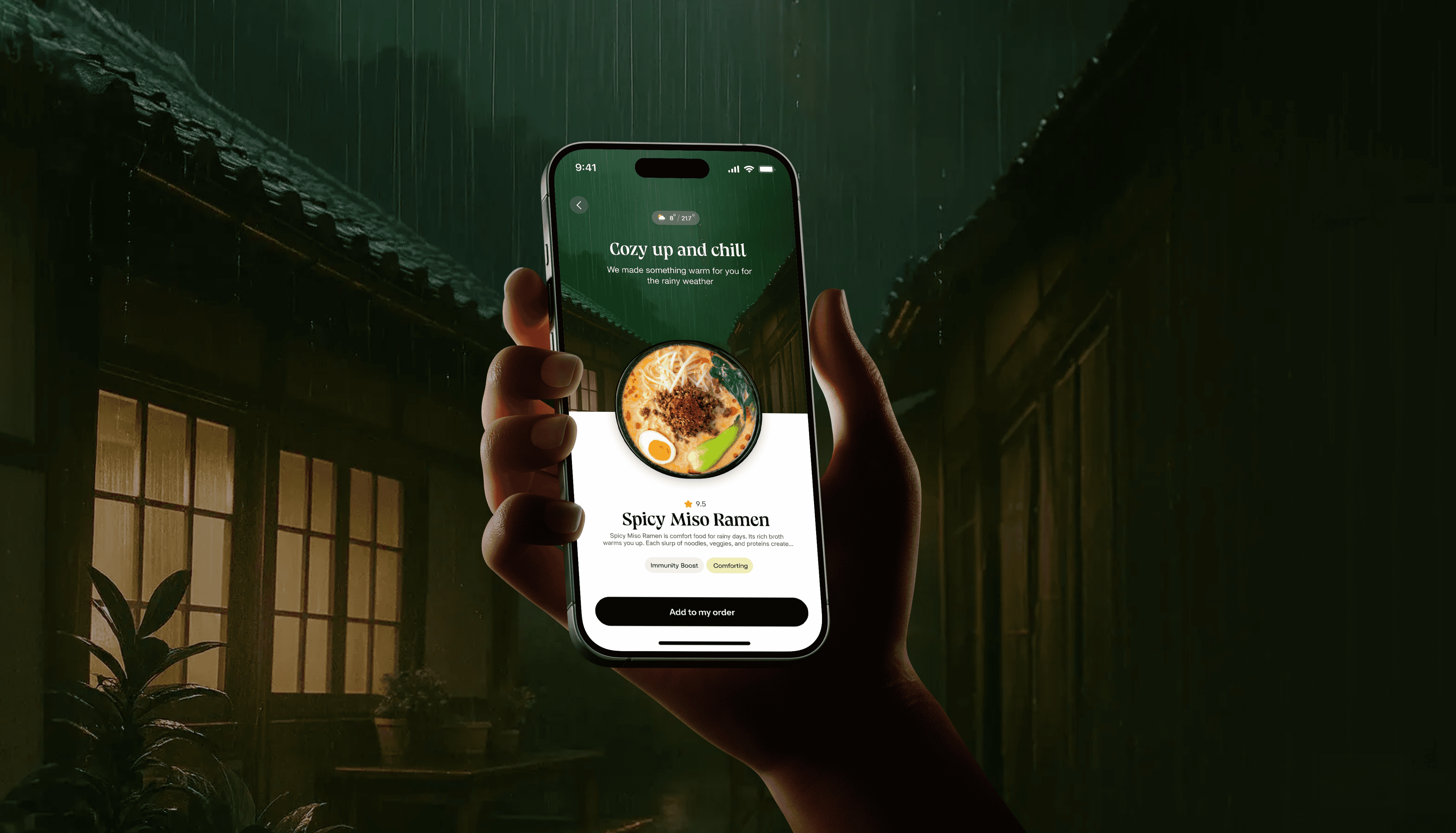
Overview

Kibo Sushi is a fast growing Japanese food brand with a strong physical presence and a loyal customer base. The food is crafted with care, the brand carries meaning, and the in store experience feels warm and intentional. However, when that experience extended into the digital world, something felt disconnected. The website and app interactions did not fully reflect the quality, emotion, and clarity that customers experienced inside the restaurant. Discovering the brand, browsing the menu, and engaging digitally felt functional but not memorable. The opportunity was not about fixing broken systems, but about elevating an experience that already worked in the real world.

The Problem

This project began without a brief, a meeting, or an active requirement. It started as a cold pitch. The challenge I set for myself was simple but demanding. Could I clearly articulate what Kibo could become digitally, even before being asked? The goal was to translate the brand’s philosophy into a digital experience that felt calm, modern, and human. Something that did not try to shout for attention, but instead earned it through clarity and intent.

Instead of jumping straight into screens, I began with understanding. I spent time studying Kibo’s brand language, its cultural roots, and the way customers interact with food brands today. The name “Kibo” itself, meaning hope in Japanese, became a quiet anchor for the entire concept.

The pitch presentation was built as a narrative. It focused on how digital touchpoints could extend the dining experience rather than simply support transactions. The aim was to show how design thinking could help Kibo strengthen emotional connection, improve usability, and communicate its values more clearly.
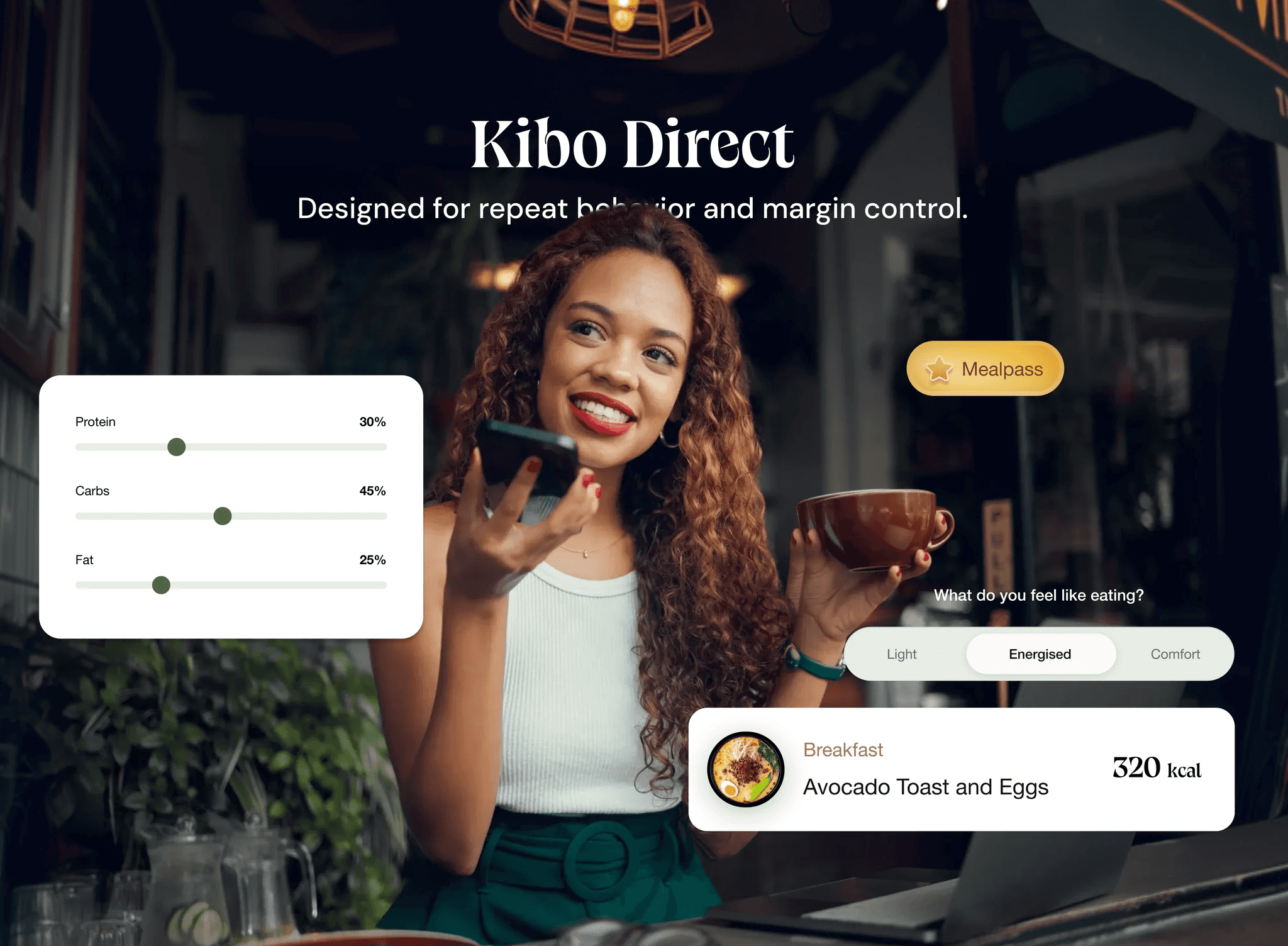
The visual direction leaned toward simplicity and restraint. The interfaces were designed to feel warm, confident, and approachable. Typography was clean and legible. Color and imagery were used sparingly, allowing the food and the brand story to take center stage.

Each screen was designed with a single question in mind. Does this feel effortless for the customer? If the answer was no, it was reworked.

year

2025

year

2025

year

2025

year

2025

timeframe

5 days

timeframe

5 days

timeframe

5 days

timeframe

5 days

tools

Figma, Abobe Creative Suite

tools

Figma, Abobe Creative Suite

tools

Figma, Abobe Creative Suite

tools

Figma, Abobe Creative Suite

category

Presentation, UI/UX

category

Presentation, UI/UX

category

Presentation, UI/UX

category

Presentation, UI/UX

01

Early interface explorations focused on establishing tone. The goal was to create a digital space that felt calm and inviting, mirroring the in restaurant experience while remaining modern and intuitive.

02

Menu and discovery flows were designed to reduce friction and cognitive load. Information was structured to help users quickly understand offerings while still encouraging exploration and curiosity.

03

The final concepts emphasized clarity and consistency. Layouts were intentionally minimal, allowing content, imagery, and interaction to work together without unnecessary distraction.

.say hello

i’m always open to interesting conversations. reach out if you’re ready to build the new standard.

.say hello

i’m always open to interesting conversations. reach out if you’re ready to build the new standard.

.say hello

i’m always open to interesting conversations. reach out if you’re ready to build the new standard.

.say hello

i’m always open to interesting conversations. reach out if you’re ready to build the new standard.

Create a free website with Framer, the website builder loved by startups, designers and agencies.